“Most people who smoke don’t actually want to,” says Dr. Mae Brooks, Ph.D. in neuroscience.
“They just feel like something takes over—and they light up on autopilot.”
“This is especially common during periods of elevated stress or disrupted routines,” she adds. “Colder, darker days, emotional overload, financial pressure, or high-demand seasons can quietly intensify habits that already exist.”
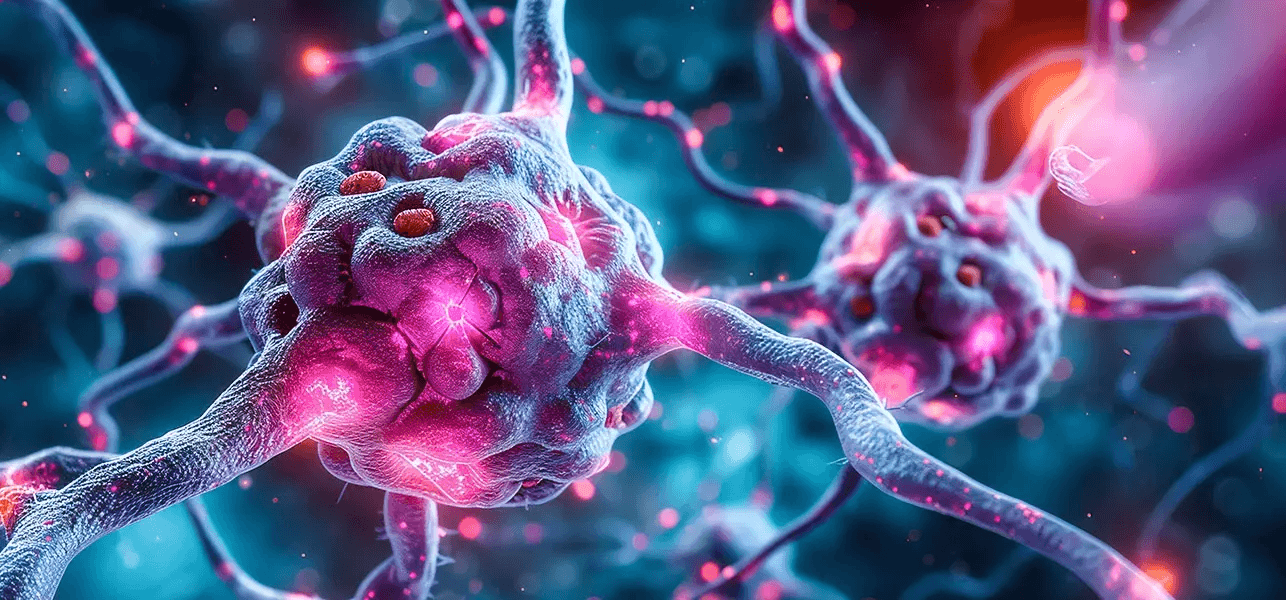
For years, people have been told that quitting smoking is all about willpower. But the truth is: it has nothing to do with strength, discipline, or ‘addictive personalities.’
“It’s simply a brain loop that’s been reinforced over time,” explains Dr. Brooks.
“And the good news is—it can be switched off. Effortlessly.”
Few smokers realize that nicotine actually increases stress long-term.
That the ‘calm’ you feel after a cigarette is your body recovering from withdrawal—not real relief.
Over time, this cycle becomes automatic. Light up, feel better, repeat.
“But once your subconscious learns a new pattern,” says Dr. Brooks,
“The urge to smoke simply fades away.”
Many people turn to alternative methods to quit—but the harsh truth is…
“Even many addiction specialists don’t fully understand how smoking works on a subconscious level.”
Dr. Brooks affirms that this statement comes from her own experience. For the past 25 years, she has worked alongside some of the most respected names in behavioral therapy and addiction science.
But when it came to helping people truly stop smoking—not just for a week or a month, but for good—most solutions kept falling short.
“I want every person who smokes to know this:
You’re not weak. You CAN do this. And you’re not addicted because of some ‘personality flaw.’”
“If you find yourself lighting up without thinking…
If you keep saying ‘just one’ and then having another…
If you feel calm for a moment—but tense again a short time later…
If you’ve quit before, only to slide back during stressful periods…”
It’s not your fault. It’s simply how your brain has been trained to cope,” Dr. Brooks explains.
“Here’s why patches, willpower, and distraction techniques rarely work.”
“When smoking becomes automatic, it touches every part of your life,” says Dr. Brooks.
You light up without thinking.
You say you’ll quit tomorrow—again.
You try to distract yourself, but the urge always comes back.
Most advice focuses on fighting cravings or distracting yourself.
But that just leaves you more frustrated—and more likely to light up again.
People try everything:
❌ Patches to fight cravings
❌ Apps to track cigarettes
❌ Willpower-based programs
“But nothing works long-term unless you retrain your brain at the root,” explains Dr. Brooks.
And that’s exactly what she set out to do next.
The Hidden Link Between Smoking, Cravings, and Your Brain’s Reward System
Smoking isn’t just a bad habit—it’s a pattern deeply wired into your brain’s reward system.
“Nicotine hijacks your neurochemistry.
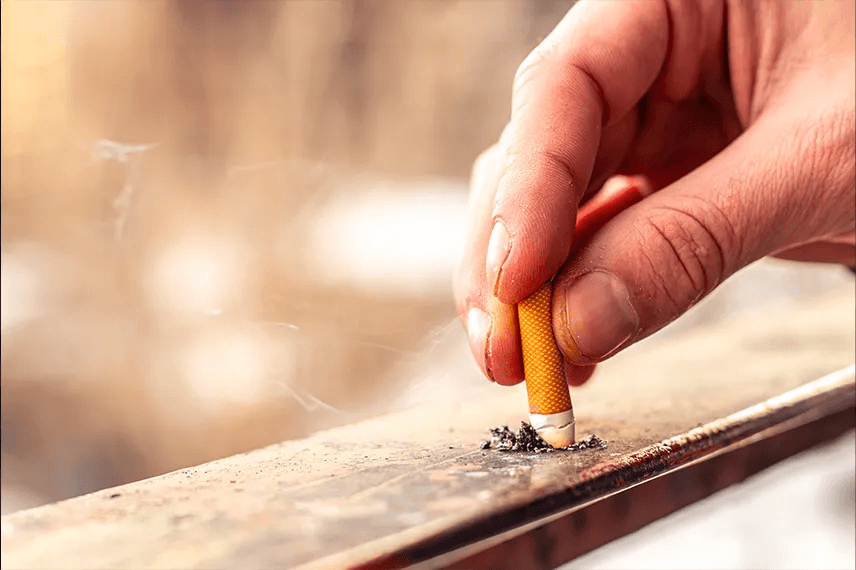
It triggers a flood of dopamine—the feel-good neurotransmitter—and trains your brain to expect that reward whenever you’re stressed or bored.”
According to research, nicotine activates the mesolimbic dopamine system, the same system involved in other forms of addiction, like opioids and stimulants1.
Over time, this overstimulation causes your brain to reduce its natural dopamine production. That’s why you feel irritable, foggy, or anxious when you try to quit—it’s not you, it’s a neurochemical rebound.
And here’s the part many smokers don’t know:
Nicotine doesn’t actually reduce stress—it increases it.
Studies show that while smoking may feel calming, it raises baseline cortisol levels, making smokers more stressed over time².
Withdrawal symptoms like irritability and restlessness are often misinterpreted as stress—when they’re actually caused by the last cigarette wearing off³.
That’s why it feels like smoking “works”: it briefly relieves the withdrawal symptoms it caused in the first place.
“This ‘Subconscious Reset’ Turned Out to Do Wonders”
One day, Dr. Brooks was researching how nicotine cravings affect the brain’s reward system, and stumbled across an old online forum for people trying to quit smoking.
“It wasn’t a sales pitch or promotion,” she recalls.
“It was just a raw, honest thread where people were sharing what actually helped them quit—for good.”
And what caught her attention was that nearly every person raving about their success had used the same method.
They were using a brain-based approach that focused on rewiring their cravings from the subconscious level.
It was called Kure.
“I took a closer look at the program. To my surprise, it WAS actually one of the most advanced programs I had come across.
It is built on clinical hypnotherapy protocols—fully personalized to match each user’s unique triggers, habits, and stress patterns.”
It guides you through a 21-day plan using short nightly hypnotherapy sessions designed to:
Reframe your smoking triggers at the subconscious level
Reduce stress and emotional cravings
Rebuild healthier reward pathways in the brain
And help you finally quit—without withdrawal or willpower battles.
“Curious about its potential, I introduced it to a few of my clients.”
“One client in particular comes to mind,” Dr. Hale says.
“She had smoked for years. Not excessively—but consistently. She had quit before, more than once.”
“She always returned during stressful periods, especially when routines changed.”
“She wasn’t craving nicotine. She was craving the pause—the moment of relief.”
“It only takes about 15 minutes a day,” Dr. Brooks explains.
“I even started calling it a ‘subconscious detox,’ because the changes happened so quickly.”
Within just a few days, her clients began noticing major shifts.
“Their cravings were fading. The usual triggers—stress, boredom, habit—didn’t have the same pull.
They were sleeping better, feeling calmer, and most importantly… they weren’t lighting up.”
Over the following weeks, something deeper began to change.
They weren’t just not smoking—they were free from thinking about it at all.
Their focus returned. Their mood lifted. For the first time in years, they weren’t planning their day around the next cigarette.
“It was incredible to watch,” Dr. Brooks says.
“Kure didn’t just help them quit smoking—it helped them feel in control again.”
But, as Dr. Brooks says herself…
“Don’t take my words for granted, try it yourself.”